Clean energy production and improving agriculture through education were several solutions Rhode Island residents said could help improve job growth in the state during a jobs forum held last month.

Clean energy production and improving agriculture through education were several solutions Rhode Island residents said could help improve job growth in the state during a jobs forum held last month.
Agriculture Secretary Tom Vilsack testified before the House Appropriations Agriculture Subcommittee yesterday to offer a detailed account of USDA’s proposed budget for next fiscal year that will include the largest funding level for competitive research grants. More than $420 million will be designated for the agriculture and food research initiative, while efforts through the American Recovery and Reinvestment Act will help rural economies and boost nutrition programs. (USDA Daily Radio News Service).
Advocates of organic food are optimistic about USDA’s new rules that require animals to graze pasture at least 120 days a year in order to be considered organic. The new rules along with the agency’s decision to audit the National Organic Program shows the organic food industry that the government is committed to ensuring that the organic label means something. (Washington Post) Read more.
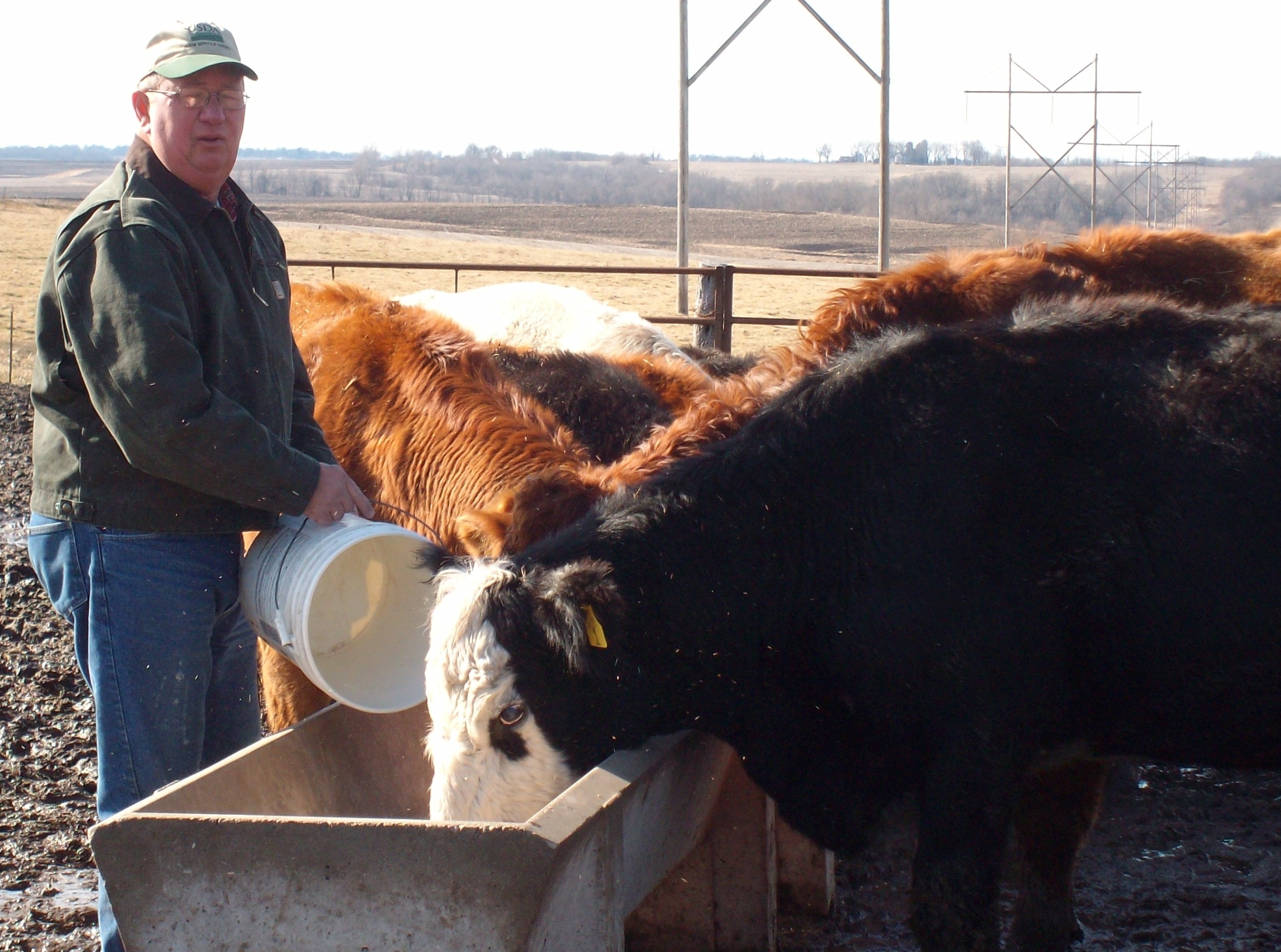
David Lueck wanted to give something back to the one thing that has been consistent in his family — agriculture. That is why he decided to run for re-election to the Lafayette County FSA Committee in Missouri, and it is where he will continue to serve as chairman in 2010.
The Mount Washington City Council in Kentucky introduced an ordinance that would charge area farmers a $15 fee to sell their produce. The city currently has no provision for a farm-to-market license, but farmers should pay for a peddler’s license. Many simply sell their good along the roadside, according to city officials. (Courier-Journal) Read more.
Farm product prices have nothing to do with retail food prices paid at the supermarket. According to Agricultural Analyst John Urbanchuk, the farm share of retail food prices is small and steadily declining. The farm price component makes up eight percent or less of the retail price of many foods leaving consumers to pay for labor, packaging, transportation, energy and all other production and marketing of the products. (USDA Daily Radio News).
 The Mississippi State Committee recently held its first meeting, which serves as an orientation session to bring members up-to-date on Farm Service Agency programs and ongoing activities.
 Cullen and Sara Beth Kovac are prime examples of the success young producers can achieve when dedication, hard work and dreams collide.
The couple recently received the distinguished Farm Bureau Young Farmer and Rancher Award for their cattle operation in Oak Grove, Louisiana. The honor is given to agricultural producers ages 35 and younger whose operations successfully balance production, profit and natural resource concerns.
Mississippi farmers and farm officials said subsidies provided through the U.S. Farm Bill keep farmers in business and help provide a sustainable food supply at an affordable price. According to local farmer Ross McGehee, “this is not corporate welfare by any means, it is something that keeps us alive.” (Natchez Democrat) Read more.
 A panel of leaders from Whole Foods, Sysco Corporation, Bon Appetite Management Company and the science and technology advisor to the secretary of state joined USDA during its annual Agricultural Outlook Forum — held Feb. 18-19 in Arlington, Virginia — to discuss ways to achieve a healthy, sustainable future in agriculture. View the webcast.


