A Century of Success

The United States Warehouse Act Continues to Do Its Job

by Kent Politsch

The United States Warehouse Act, administered by USDA Farm Service Agency, is officially 100 years old today, Aug. 11.
Warehouse logo

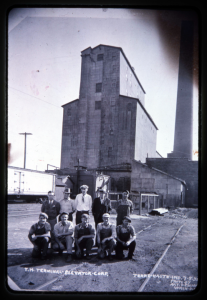
Terre-Haute, IN grain elevator July 1932

Grain Elevator, Terre Haute, Indiana

In 1916, the creation of rules and standards to monitor the storage of farm commodities was a bold new idea. Among its goals was to establish trust — trust between farmer and warehouse owner, trust between warehouses and prospective commodity buyers, and trust among all Americans that its government took actions to stabilize volatile commodity prices.

Woodrow Wilson was president in 1916. The 64th Congress was in its first session. Among the lawmakers was Asbury Francis Lever, Chairman of the House Agriculture Committee from the 7th District of South Carolina, who guided the legislation through Congress.

The demand for food production was emphasized by the outbreak of war in Europe. The disruption abroad and the debate within the United States helped to underscore one of the country’s most important security factors – food production.

The challenge Lever and his lawmaking colleagues faced were a lack of adequate storage facilities, a lack of proper controls and standards of such storage systems, an absence of uniformity in methods of operation and issuance of receipts, and too many variations on grading and classification of commodities. And for a farmer to have sufficient funds to pay bills and take care of family through the winter, he needed cash. His stored grain was an asset that could be used as collateral as long as the bank had certainty in the holder of his grain.

After enactment of the Warehouse Act, the very first license was issued to a cotton warehouse in San Antonio, Texas.
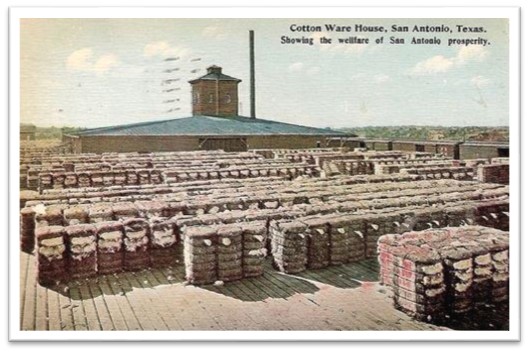
Cotton Warehouse in San Antonio, Texas

Cotton Warehouse in San Antonio, Texas


The first grain license went to Mero Mills in Nashville, Tennessee.

The Act set new standards for storing commodities of all designs, and that standardization has helped American agriculture grow steadily but aggressively.

The Fence Post asked Ned Bergman, Chief, Examination Branch, Warehouse License and Examination Division, Kansas City, if the rules have changed over time. Bergman has been at FSA for 37 of the 100 years the law has been around.

“Probably (the) most significant change was electronic warehouse receipts, which allowed for use of electronic commerce,” said Bergman. “The collection of user fees was significant as it provided a solid funding mechanism for the Act and has insulated it from (other) pressures.”

And what about the next 100 years?

Warehouse Examiner 1930s

Warehouse Examiner 1930s

“The Act was written to be resilient and flexible,” Bergman said. “More importantly, it still provides the tools desired in the conducting of interstate commerce. The six basic needs of the warehousing industry in 1916; adequate storage facilities, proper control and regulation of such storage systems, uniformity in their methods of operation and the form of receipts issued, grading and classifying standards, and a proper relationship between the storage and banking systems, are still valid today and will be far into the future.”

Farmers today can know with confidence that the grain, cotton and wool that they deliver to a licensed warehouse is kept secure in storage and can be used as collateral to finance their needs until markets are best for selling their commodities.

Celebrating the 100th Anniversary of the Warehouse Act recently took place in Washington, D.C., sponsored in part by USDA’s Farm Service Agency and the various commodity groups whose industry warehouses are licensed under the Warehouse Act. The FSA also used the timing of the anniversary to bring its team of warehouse examiners to the nation’s capital for updated training and to recognize their important role in maintaining the standards and quality of storing our nation’s agricultural commodities.

“A major objective of this year’s training was to highlight the history of the Act and the significance of its influences and accomplishments,” said Bergman.
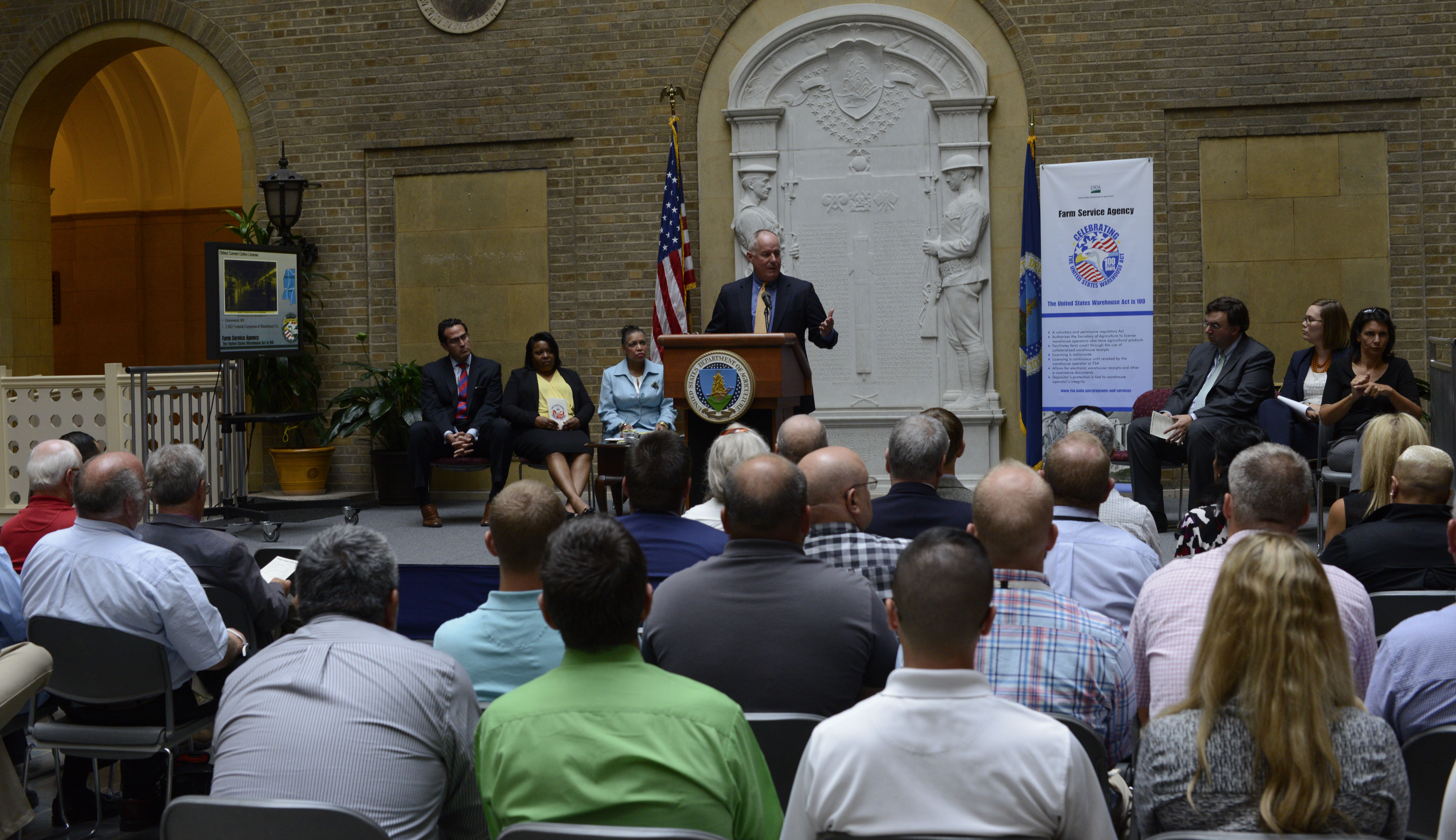
FSA Administrator Val Dolcini addresses FSA Warehouse Examiners at USDA Headquarters

FSA Administrator Val Dolcini addresses FSA Warehouse Examiners at USDA Headquarters

According to Sandra Wood, Acting Deputy Administrator for Commodity Operations, the United States Warehouse Act functions today as it was designed 100 years ago. Updated in 2000, time has not altered the need, nor has it affected the quality of the law that has been so important to the agriculture industry.
Posted in Atop the Fence Post | Comments Off on A Century of Success

Texas Rancher Recovers from Drought

edit_cheryl tractor

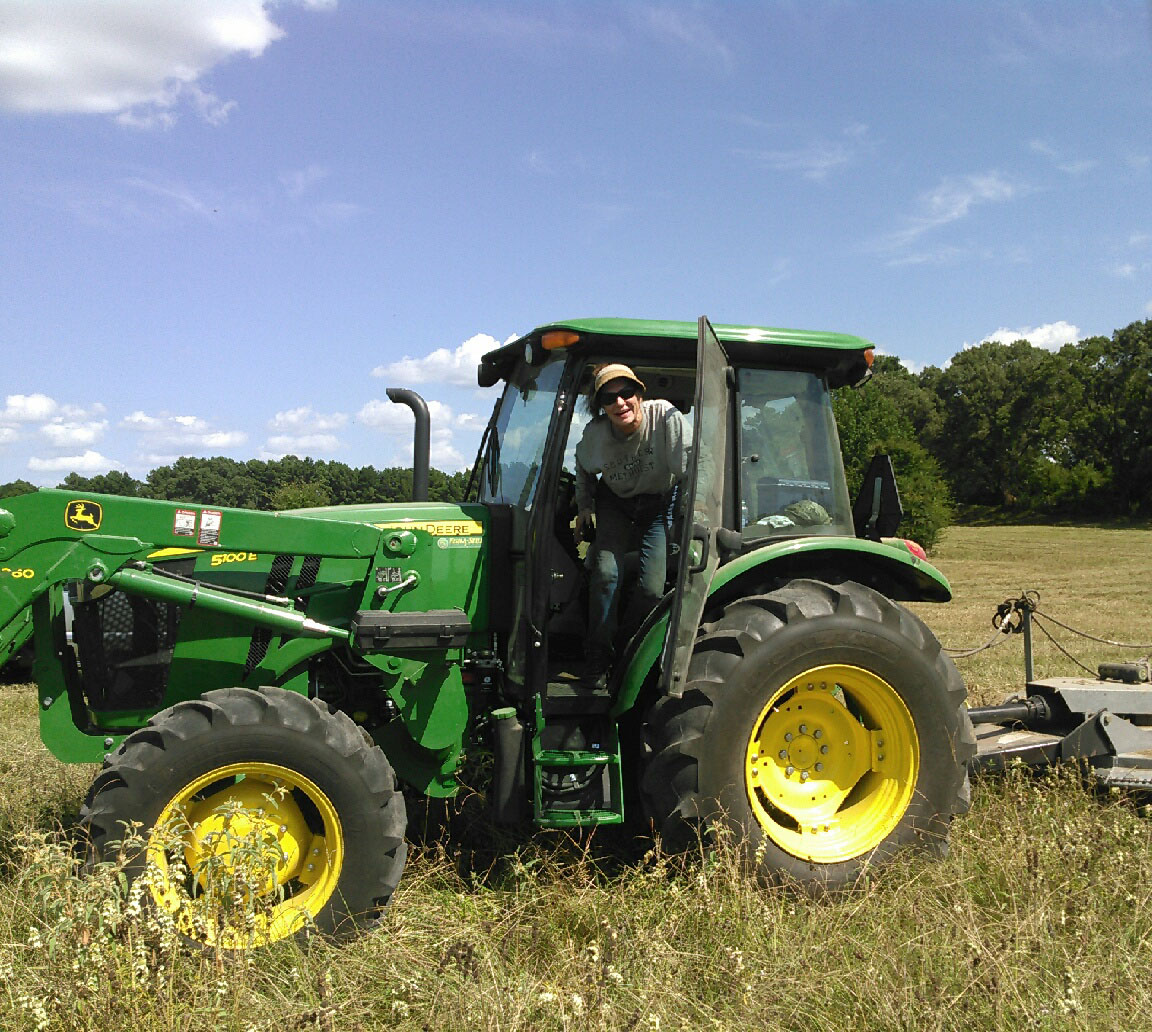
Texas livestock producer, Cheryl Wright, used the USDA Farm Service Agency’s livestock disaster assistance programs to recover from drought conditions.

By Shawn McCowan, Public Affairs Specialist, Texas Farm Service Agency

Cheryl Wright is a third-generation rancher in Houston and Anderson Counties. Despite a lifetime in agriculture, she never considered turning to USDA’s Farm Service Agency (FSA) for assistance.

Wright was introduced to agriculture at a young age growing up on her family’s 3,000-acres in Hallettsville, Texas.

“I saw my grandparents’ love for agriculture, and I always remember how much fun it was growing up on the ranch,” she said. “As a little girl, I was so excited to join my family when they headed into the fields before sunrise. On several occasions I stayed up all night to make sure I was awake when they left.” Continue reading

Posted in Atop the Fence Post, Features, Regional Posts | Comments Off on Texas Rancher Recovers from Drought

North Carolina Timber Production Yields Paper, Furniture and Lumber

batts-tree-farm

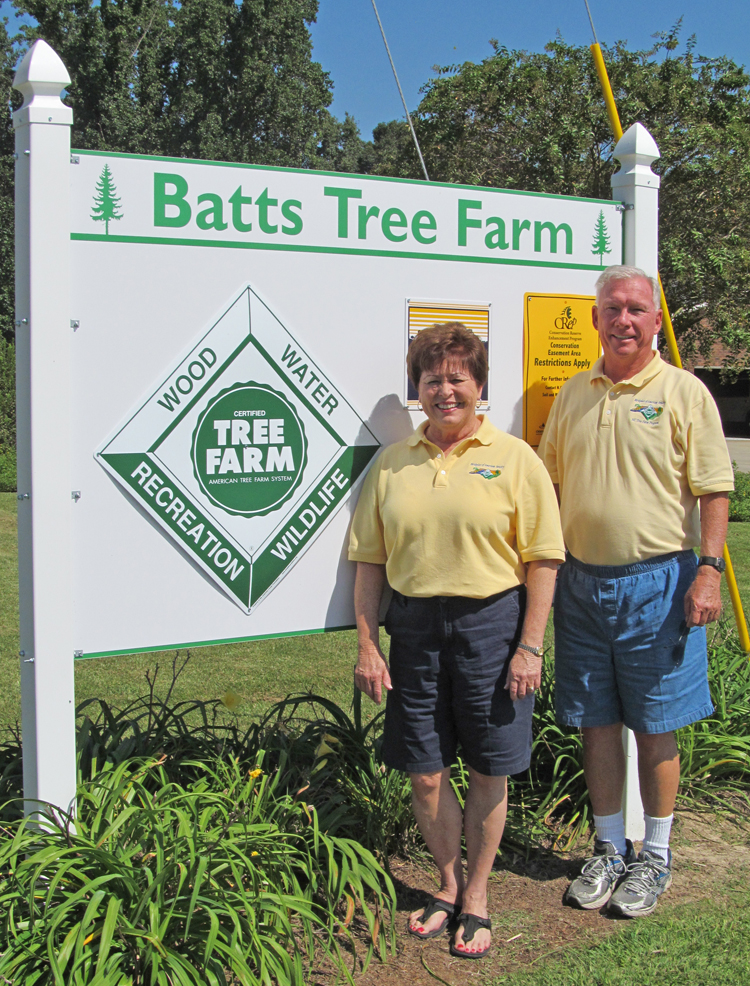
Dwight and Judy Batts grow timber on 375 acres while promoting sustainability and protecting wildlife habitat through conservation programs.

By Nimasheena Burns, Public Affairs and Outreach Specialist, North Carolina Farm Service Agency

In the small town of Macclesfield, North Carolina, Dwight and Judy Batts have made a name for themselves as nationally recognized, award-winning tree farmers. They were named the 2014 National Outstanding Tree Farmers of the Year by American Tree Farm System (ATFS) and the 2012 North Carolina Tree Farmers of the Year. With over 375 acres of ATFS certified forestland, these fifth generation tree farmers operate land that has been in their family for more than 100 years.

The Battses harvest their various tracks of trees every 5 to 7 years. The harvested trees are transported to various mills to become paper, furniture or lumber for houses. Continue reading

Posted in Know Your Farmer Know Your Food | Comments Off on North Carolina Timber Production Yields Paper, Furniture and Lumber

Family Transportation Company in Idaho Expands to Biomass Products

buellfamily

The Buell family has been in the transporting business since 1959, hauling logs, equipment, wood chips, sawdust, rock, gravel and biomass. From left to right: Front: Jack , Eleanor and Frank Back: Kevin and Mickey

One of the largest employers in Benewah County, Idaho, happens to be involved in the agriculture industry. Jack Buell Co, Inc. is a family owned business that started in 1959 in St. Maries, Idaho. The family operation transports forest products from the woods to manufacturing facilities throughout three states.

Jack Buell started the company with one log truck and a small shop. Today, the company has grown to more than 200 trucks and covers an average of 400 miles a day hauling to locations in Idaho, Washington and Montana. The business consists of approximately 200 employees, which includes three generations of Buell family members.

Mickey Buell and his brothers Kevin and Frank both work for the company. Mickey oversees the company’s chippers and grinders and also handles biomass. Kevin is in charge of log trucks and transfers and Frank is responsible for the chip and lumber trucks. Some of the Buell children also work for the family business. At the heart of the company is Jack and his wife Eleanor. Continue reading

Posted in Atop the Fence Post, Features, Know Your Farmer Know Your Food, Regional Posts | Comments Off on Family Transportation Company in Idaho Expands to Biomass Products

Boots on the Ground for Ag

USDA Offers “TIP” to Retiring Farmers; Pathways for Veterans

shutterstock_18709

by Scott Whittington, FSA Public Affairs Specialist

As military veterans approach their end of active service, they may wonder what their next steps will be. There are multiple options in addition to growing their hair out, going back to school, or getting a civilian job.

Thanks to the Farm Service Agency (FSA) of the U.S. Department of Agriculture (USDA), there is one option many military men and women should consider – operating their own farm. That’s what a couple of veterans discovered when plowing through opportunities and looking for a route to success. Continue reading

Posted in Atop the Fence Post, Features, Regional Posts | Comments Off on Boots on the Ground for Ag

Celebrating 30 Years of Conservation Partnerships in Missouri

DSC_0173

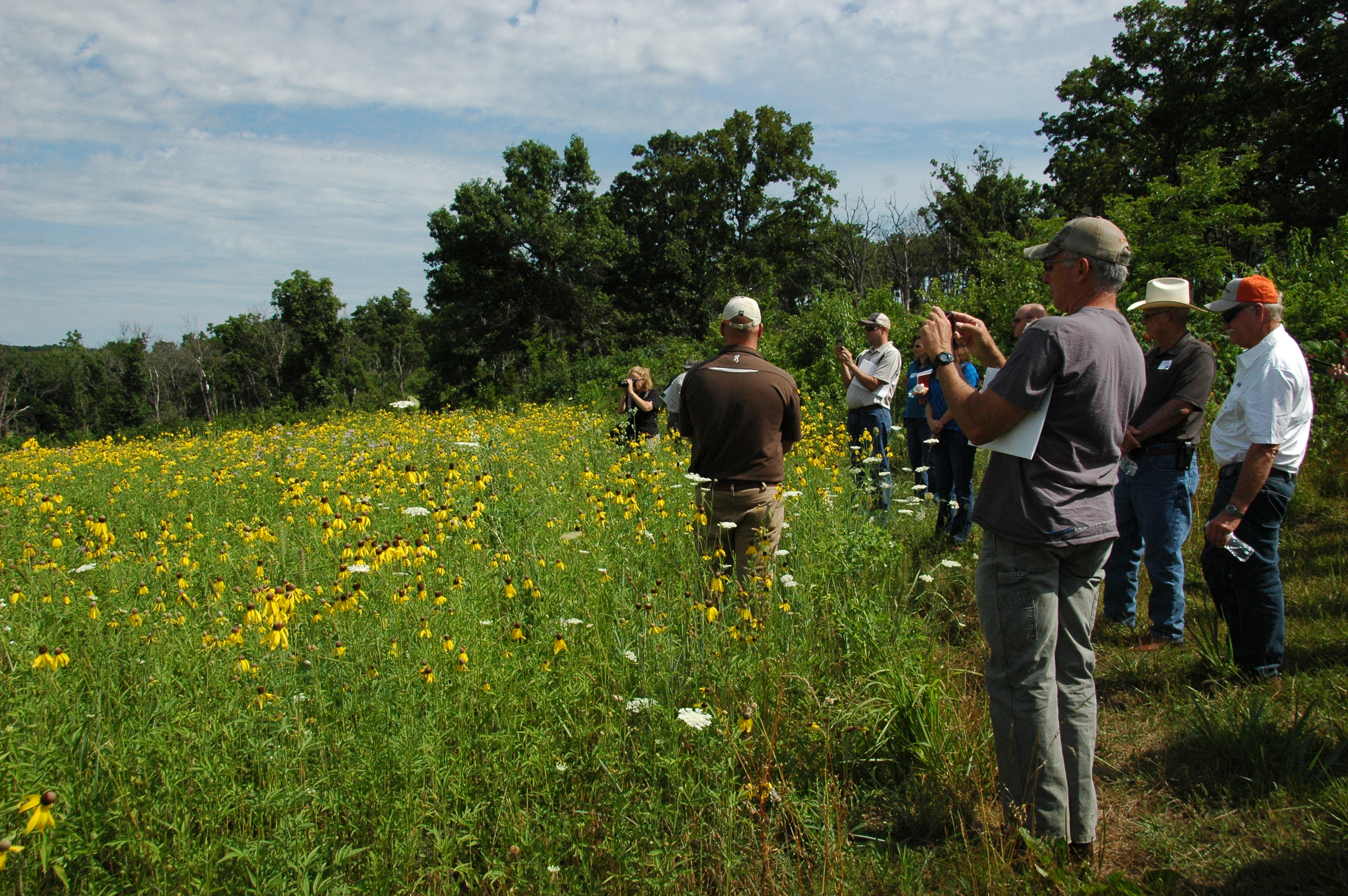
Missouri FSA, conservation partners and landowners celebrated the 30th anniversary of the Conservation Reserve Program (CRP) by touring local conservation practices.

By Dana Rogge, Public Affairs and Outreach Specialist, Missouri Farm Service Agency

Just one county west of St. Louis lies Franklin County, Missouri, filled with rolling hills, diverse agriculture and some of Missouri’s finest Conservation Reserve Program (CRP) practices in the state. Approximately 70 landowners and agriculture partners and leaders gathered on June 28 to celebrate the nation’s largest voluntary conservation program and witness the impact the program has at the local and state level. Continue reading

Posted in Atop the Fence Post, CRP is 30, Features, Regional Posts | Comments Off on Celebrating 30 Years of Conservation Partnerships in Missouri

Fourth Generation Cattle Rancher Keeps Legacy Moving

FSA1

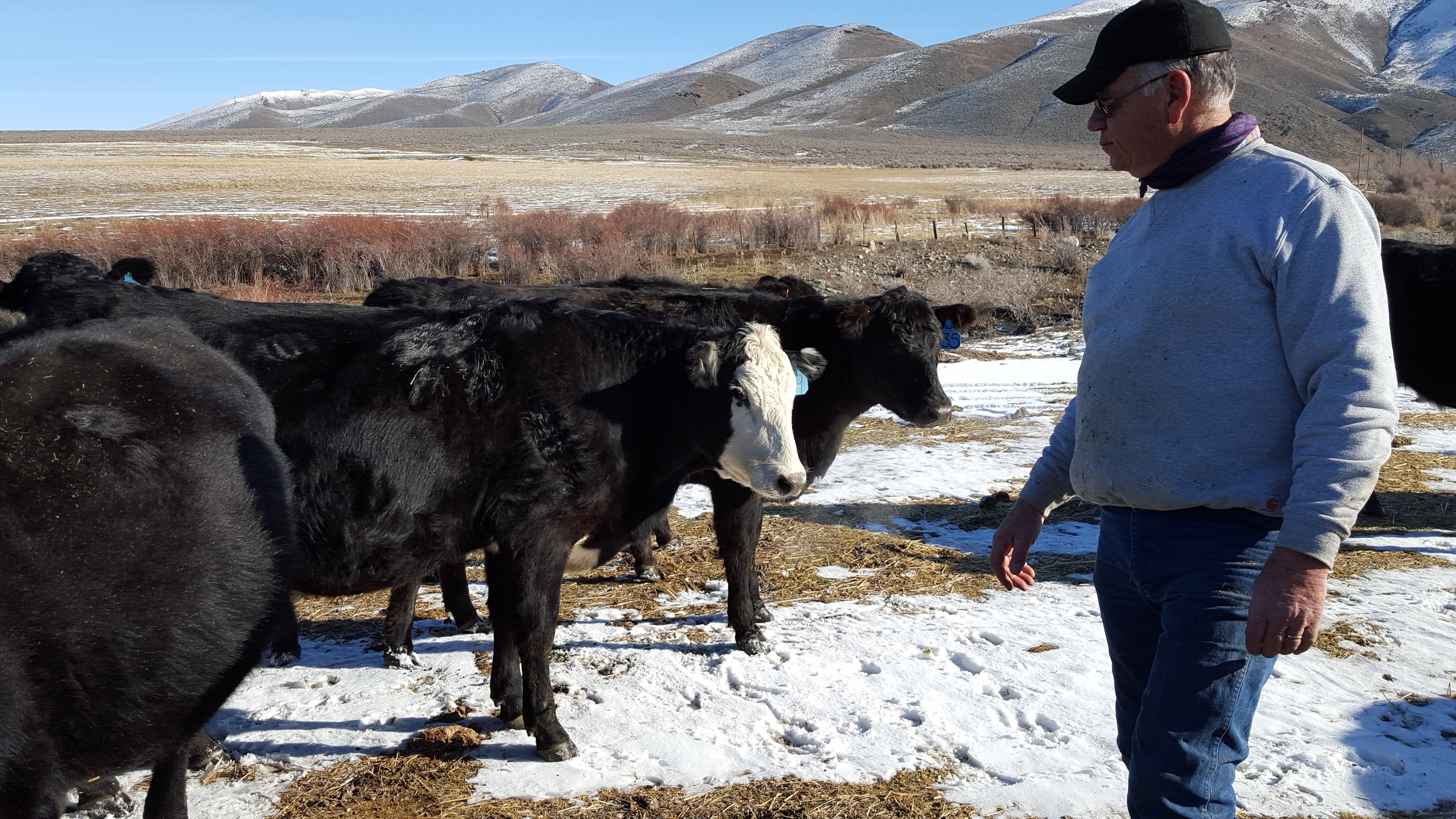
Nevada rancher, Ron Cerri, takes care of his cattle and land with the consumer and his family in mind.

By  Scott Whittington, Public Affairs Specialist

We’ve all seen those family business signs that say “Serving our community since 19-something,” but one rancher’s family has most of those beat.

Ron Cerri, a fourth-generation rancher, has followed his family’s legacy that started in the 1800s and he is keeping tradition alive, raising beef cattle in Nevada. His son, daughter and their families live and work on the property. Even his granddaughter, a sixth-generation family member, joined 4-H and is showing an interest in ranching. Continue reading

Posted in Know Your Farmer Know Your Food | Comments Off on Fourth Generation Cattle Rancher Keeps Legacy Moving

Rhode Island Oyster Farmer Grows with Local Market

Jules

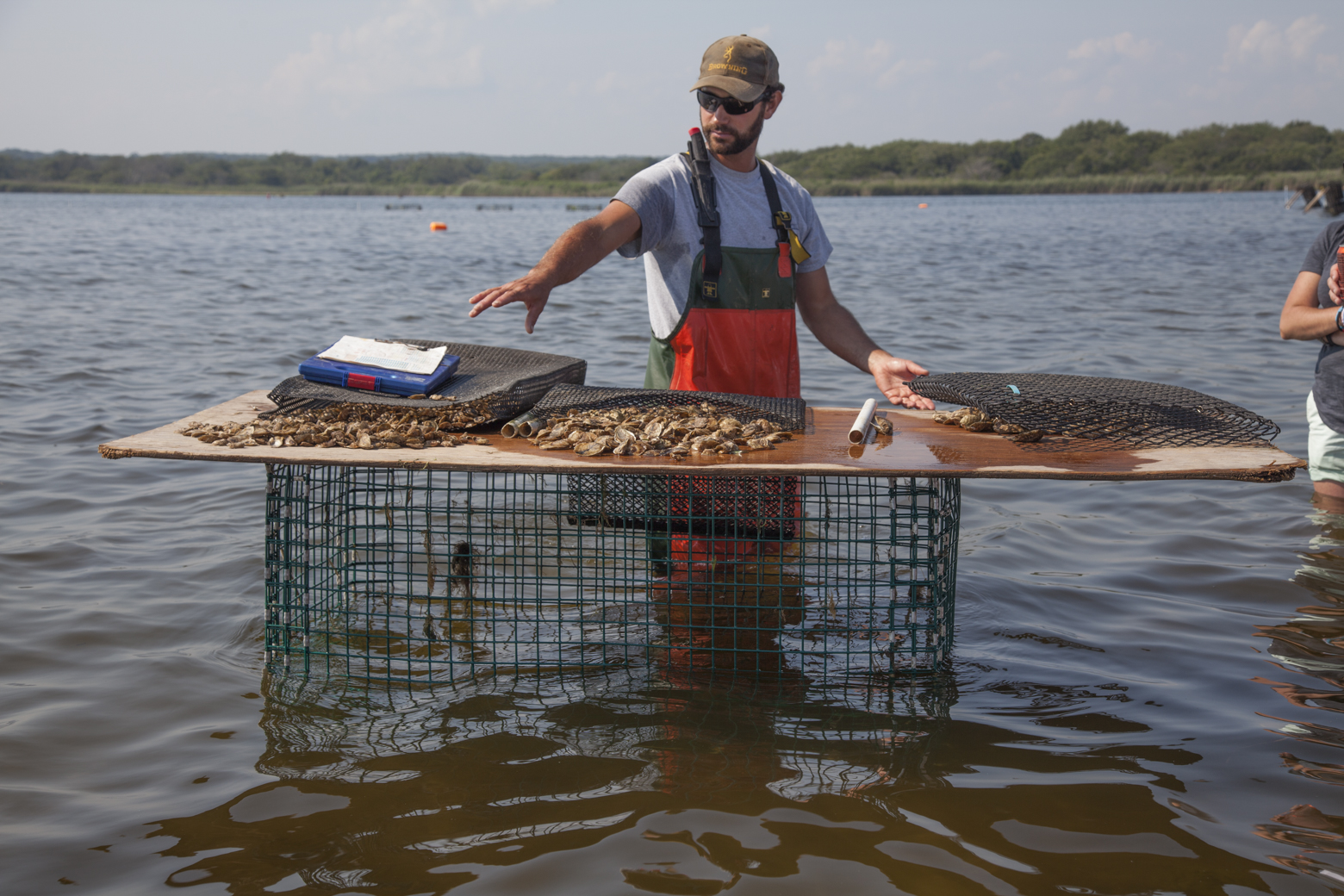
With a six acre lease on Ninigret Pond in Rhode Island, Jules Opton-Himmel produces up to 500,000 oysters each year that are sold to local markets in New York and Rhode Island.

By Cassie Bable, Public Affairs Specialist, FSA Office of External Affairs

Beginning farmer Jules Opton-Himmel left his New York desk job to start his oyster operation, Walrus and Carpenter Oysters. The business venture started seven years ago and today, Opton-Himmel’s oysters have secured a spot on local restaurant menus across Rhode Island.

Opton-Himmel started with a 1,000 square-foot lease permit on Ninigret Pond, a coastal lagoon, in southern Rhode Island. As the business grew, he worked to expand his operation such that his lease permit now includes six acres which produce from 300,000 to 500,000 oysters each year. Continue reading

Posted in Know Your Farmer Know Your Food | Comments Off on Rhode Island Oyster Farmer Grows with Local Market

Drought Can’t Stop 50 Years of Farming Experience

ECP success Damale pictures

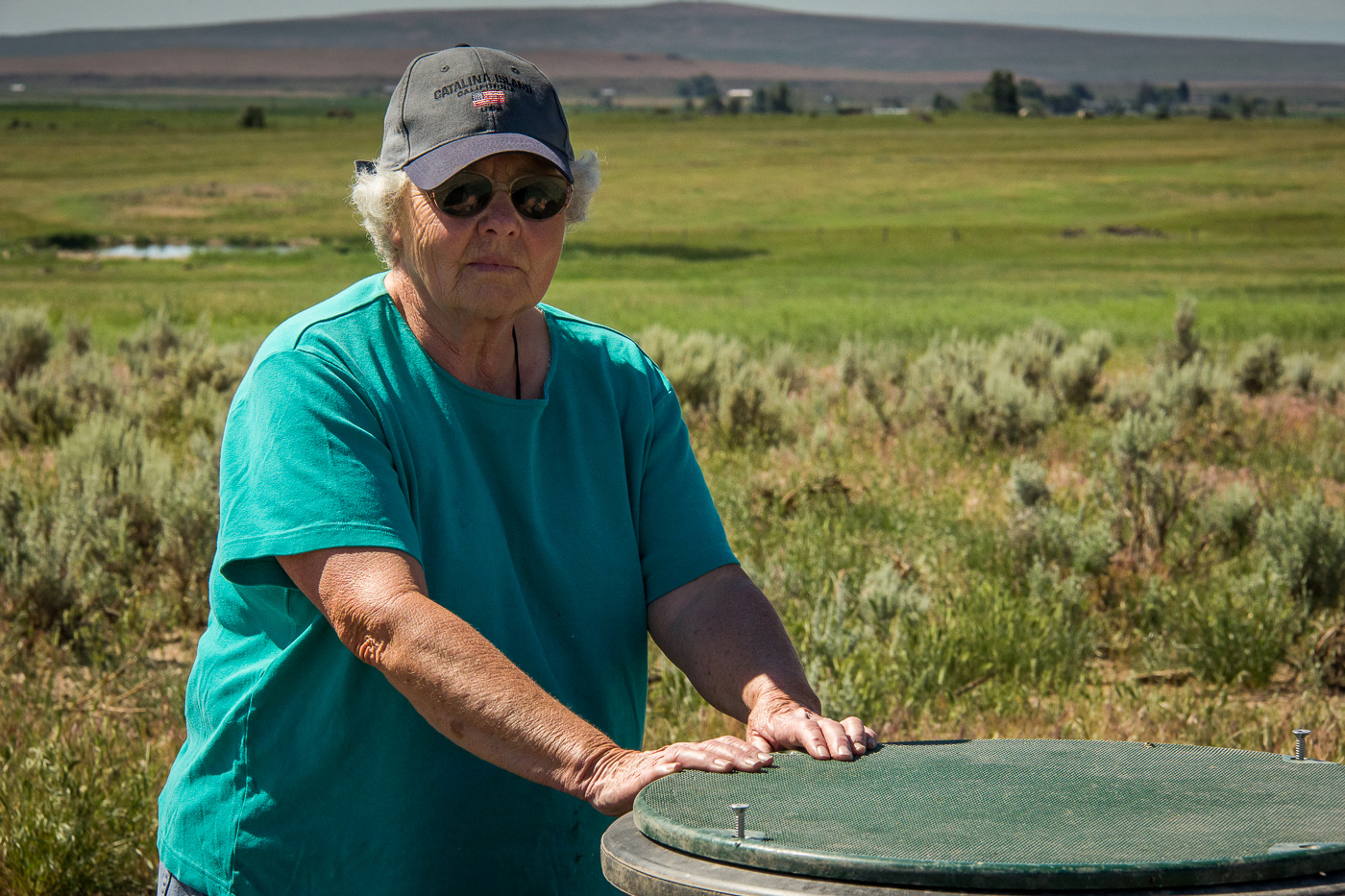
Patricia Damele has seen many challenges in her 50 years of farming but won’t let drought stop her operation.

By: Kaylyn Franks, District Director, Idaho Farm Service Agency

Charles and Patricia Damele have jumped their share of hurdles when it comes to farming.

With nearly 300 cattle and 560 acres of hay and pasture in Northern Idaho, they have battled low cattle prices, high hay costs and have fought off plenty of insects and rodents in their 50 years of farming. Continue reading

Posted in Atop the Fence Post, Features, Regional Posts | Comments Off on Drought Can’t Stop 50 Years of Farming Experience

From High School to High Tunnels

DSC02584

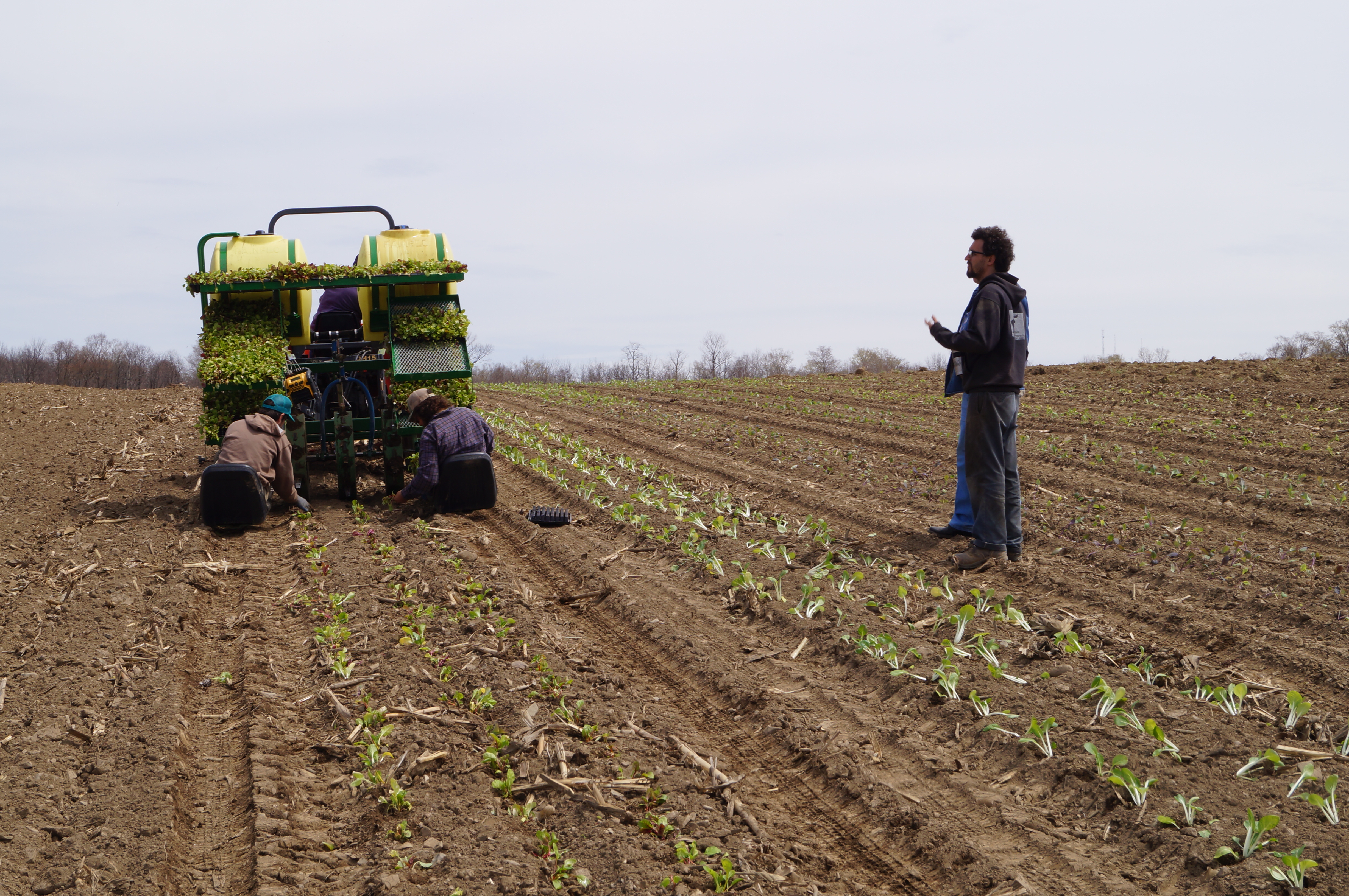
Main Street Farms owner Allan Gandelman discusses the upcoming growing season with his FSA Farm Loan Officer, Roger Thomas, while Swiss chard transplants are planted by the farm crew.

By Lynnette Wright, Public Affairs Specialist, New York Farm Service Agency

In the days when high school social studies teacher Allan Gandelman taught kids about the history of the world, he began to notice the food his students were eating before class. He didn’t consider soda and chips a healthy breakfast. He also noticed that many of his students were from limited resource families, which made access to nutritious food outside of school difficult. Continue reading

Posted in Know Your Farmer Know Your Food | Comments Off on From High School to High Tunnels